
The Hidden Cost of “Good Enough” AI Drafts at Work
Generic AI drafts create hidden rework. Learn to estimate time lost to reprompting, formatting, and alignment—and prevent it with structured drafting habits.
“Good enough” drafts don’t fail upfront—they fail downstream
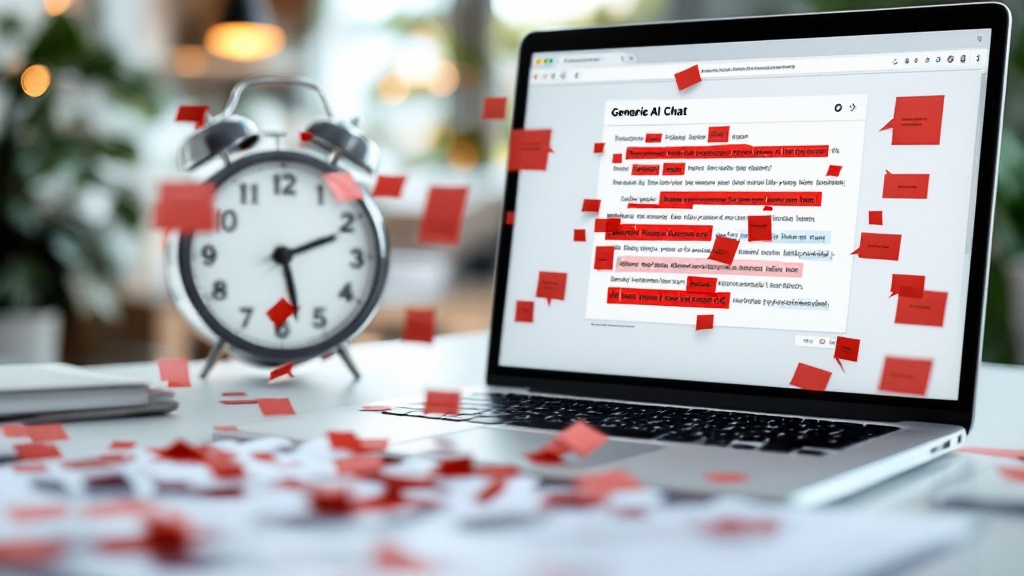
Most teams adopting generative-ai start with a simple workflow: ask a chatbot for a draft, paste it into a doc, and clean it up. The output looks acceptable at first glance—grammatical, coherent, even confident. But in real knowledge-work, “good enough” is often a trap: the draft lacks the structure your stakeholders expect (decision first, then rationale), omits key assumptions, and blurs what’s fact vs. suggestion.
The hidden cost appears later in your writing-workflows: extra cycles to clarify intent (“What are we recommending?”), manual formatting to match internal standards, and tone adjustments to fit the audience (exec, customer, legal). That rework creates delays and coordination overhead—especially when multiple people touch the same artifact.
In other words, the problem isn’t that AI drafts are bad; it’s that generic outputs are non-committal. Without explicit sections for decisions, owners, risks, and next steps, the draft creates more questions than momentum—turning productivity gains into a subtle process tax.
A simple framework to estimate the time you’re losing
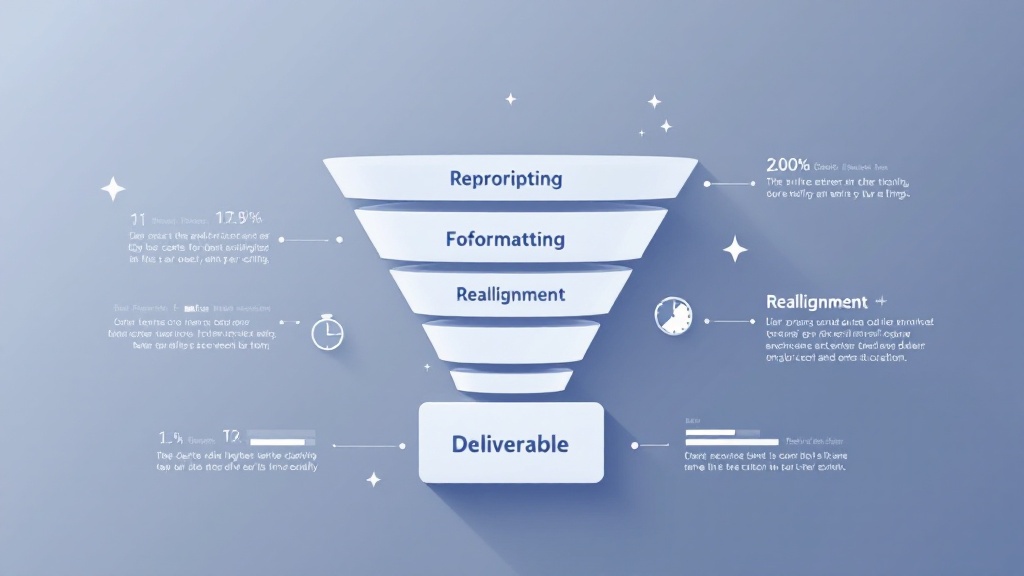
To make the cost visible, break “AI drafting” into three measurable buckets: reprompting, reformatting, and realignment. Reprompting is the back-and-forth to get the right scope, level of detail, or tone. Reformatting is converting paragraphs into your required deliverable—outline, memo, checklist, email, or brief. Realignment is stakeholder friction: clarifying decisions, reworking language for consistency, and reconciling versions across tools.
A quick estimate: Time Lost per draft = (reprompt minutes + formatting minutes + alignment minutes) × number of drafts per week × people involved. Even conservative numbers add up. If a team member spends 6 minutes reprompting, 8 minutes formatting, and 10 minutes in follow-up comments, that’s 24 minutes per draft. Multiply by 20 drafts a week and you’ve silently burned 8 hours—one full workday—without shipping more.
This is why generative-ai ROI is often inconsistent: you’re measuring draft speed, not deliverable readiness. Treat the output as part of a process pipeline, and you’ll see where productivity is leaking in your writing-workflows.
Prevent the rework with structured drafting habits (and tools that enforce them)
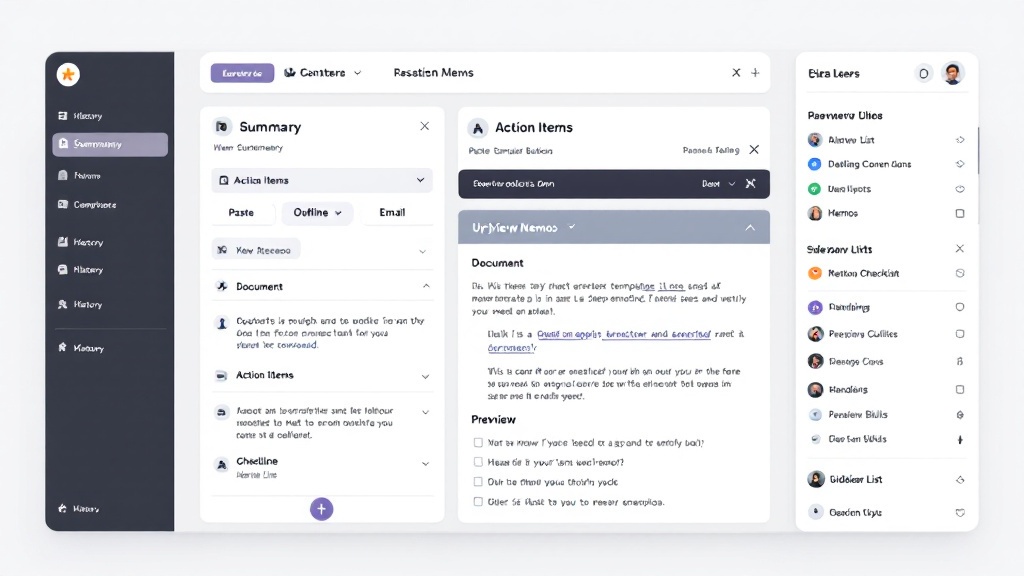
The fix is less about “better prompts” and more about standardizing the output. Start with structured habits: define the deliverable type up front (e.g., “decision memo” vs. “summary”), require consistent sections (Context, Recommendation, Risks, Next Steps), and set a tone policy (executive-direct, customer-friendly, or neutral). When you paste source material, ask for explicit extraction: key points, open questions, and action items—so the draft drives decisions, not just prose.
Next, reduce variability with reusable templates. A one-tap template for “Meeting Follow-Up” or “Research Brief” should always produce the same headings, bullet density, and callouts. This keeps writing-workflows predictable and makes collaboration easier because reviewers know where to look for answers.
Apps like DraftPulse Assistant operationalize this approach: template runs turn common tasks into formatted drafts, document transforms turn pasted text into outlines and checklists, and searchable history preserves what worked. The goal isn’t more AI text—it’s fewer loops, clearer decisions, and higher productivity across day-to-day knowledge-work.